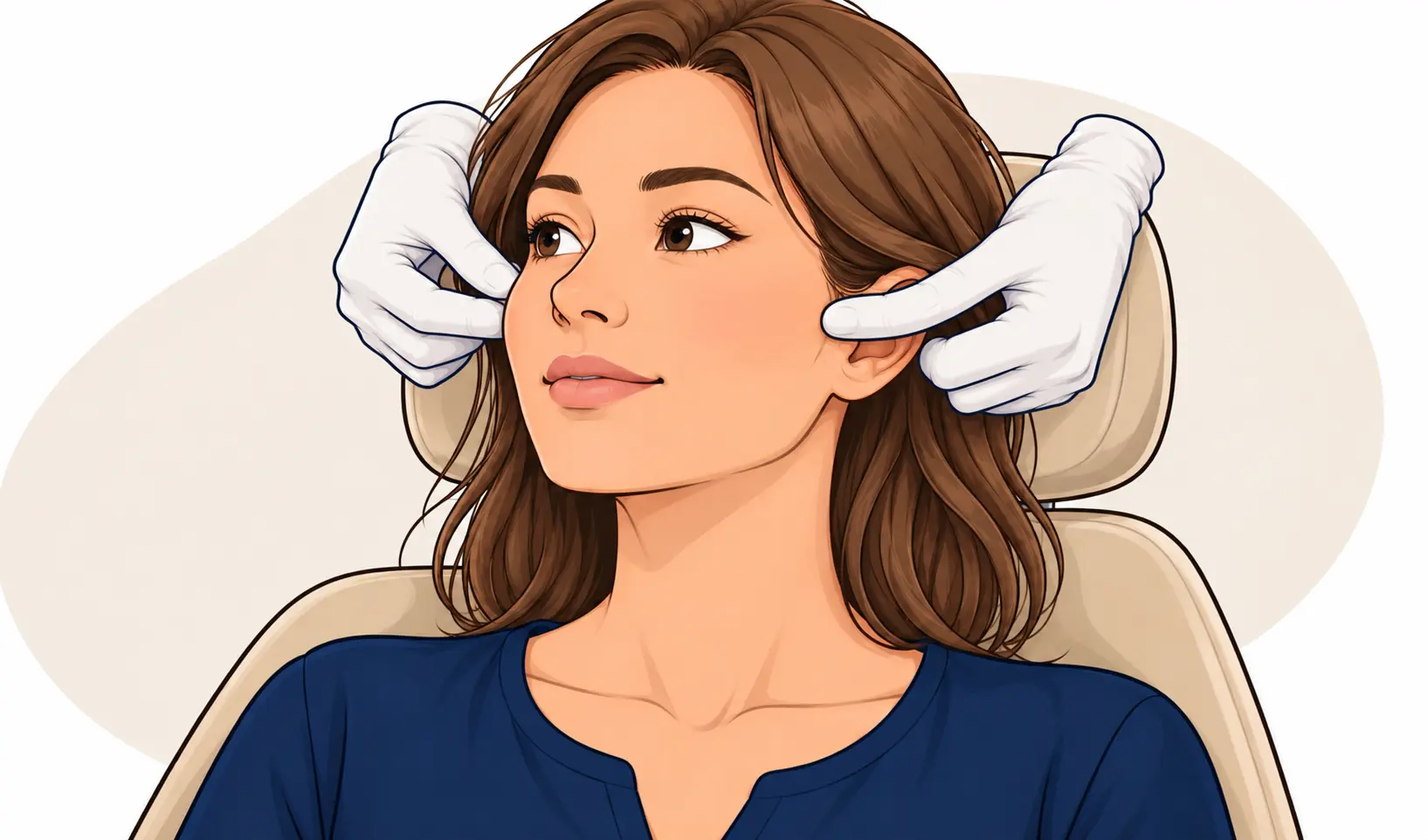
Your individual situation determines the way forward. Here’s an initial overview – we’ll develop your personal plan together.
Children
Small teeth. Important steps.
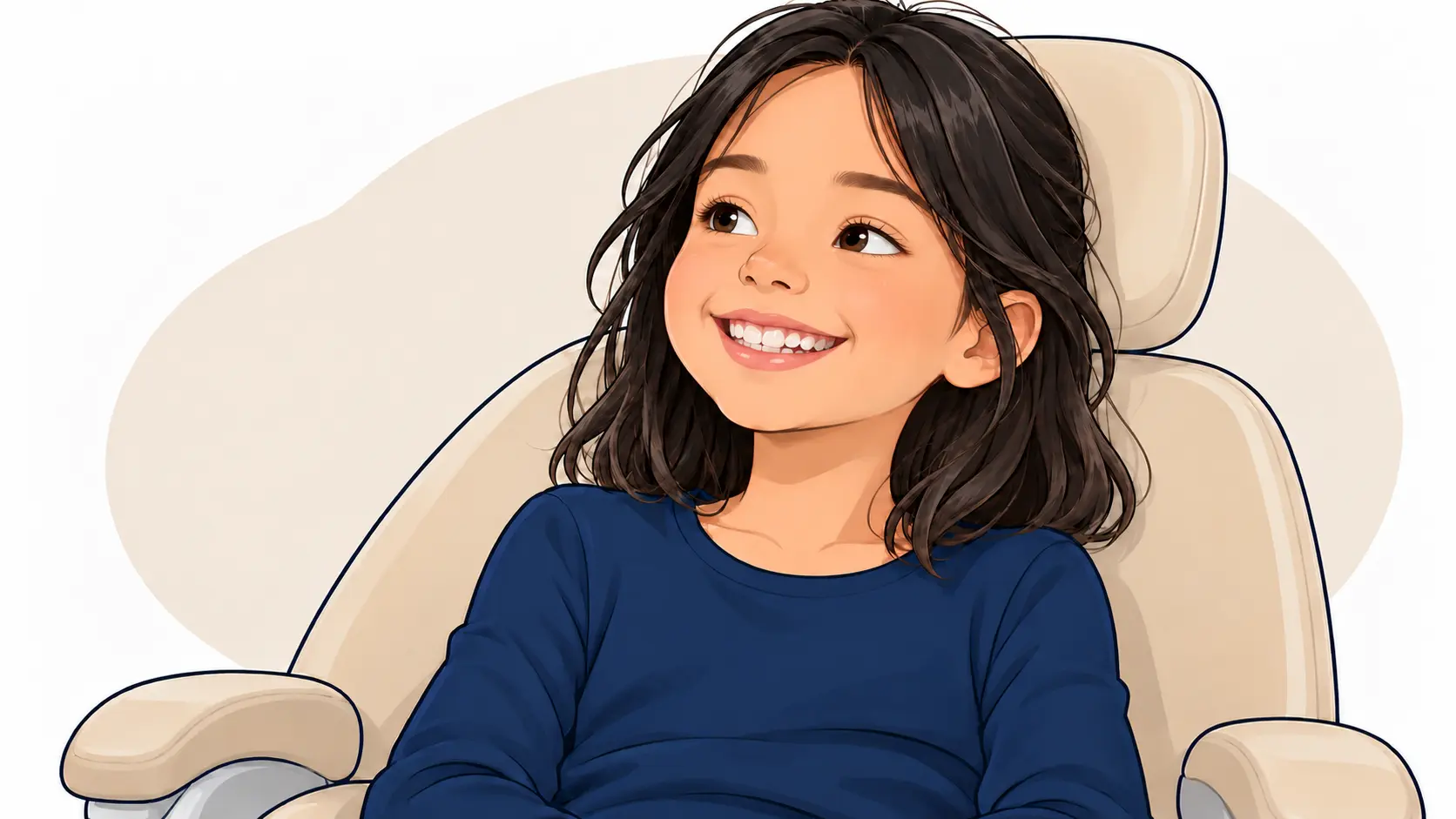
Not every child needs braces at an early age. In some situations, however, timely support for the development of the teeth and jaws can be helpful.
When we take a closer look
In cases of a posterior or anterior crossbite.
When the upper front teeth sit a long way ahead of the lower teeth.
When baby teeth are lost early and space for the permanent teeth is being lost.
An early visit can be helpful even if you’re still unsure – especially if the lower front teeth bite in front of the upper ones. Timely assessment opens up opportunities to guide jaw development. In suitable cases, early treatment may help avoid jaw surgery later; the outcome also depends on subsequent growth. We’ll explain whether early treatment makes sense or whether we can simply monitor development for now.
Teenagers
Step by step toward a new smile.
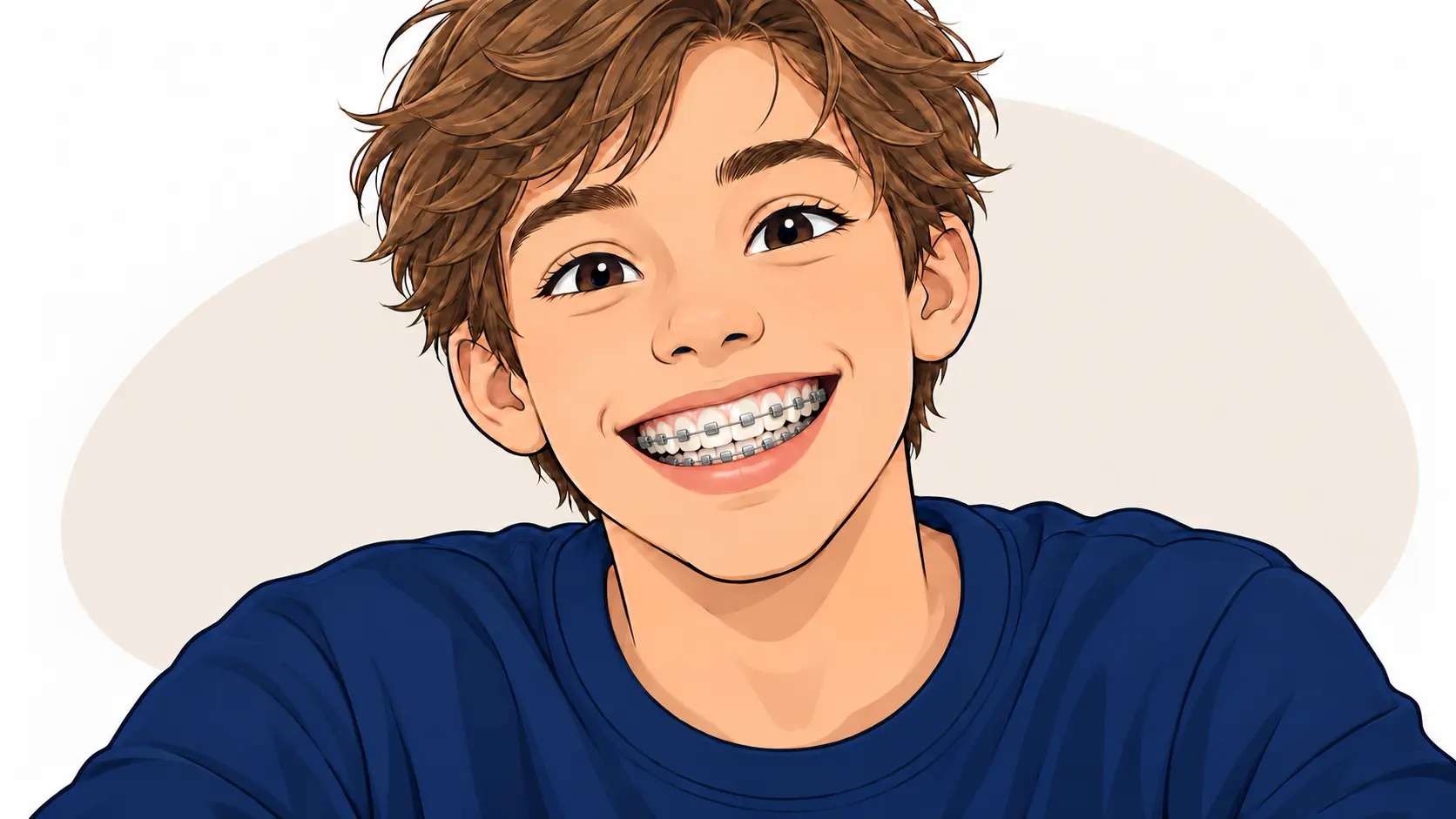
During teenage treatment, we consider tooth alignment, bite and growth together. Depending on the findings, a removable appliance may first help establish a good foundation.
Our planned treatment pathway
In our treatment approach, any preliminary functional appliance treatment is followed by fixed braces. Braces are used in both jaws so the upper and lower teeth can be coordinated. Fixed retainers then help maintain the result. We discuss the exact sequence and follow-up care individually.
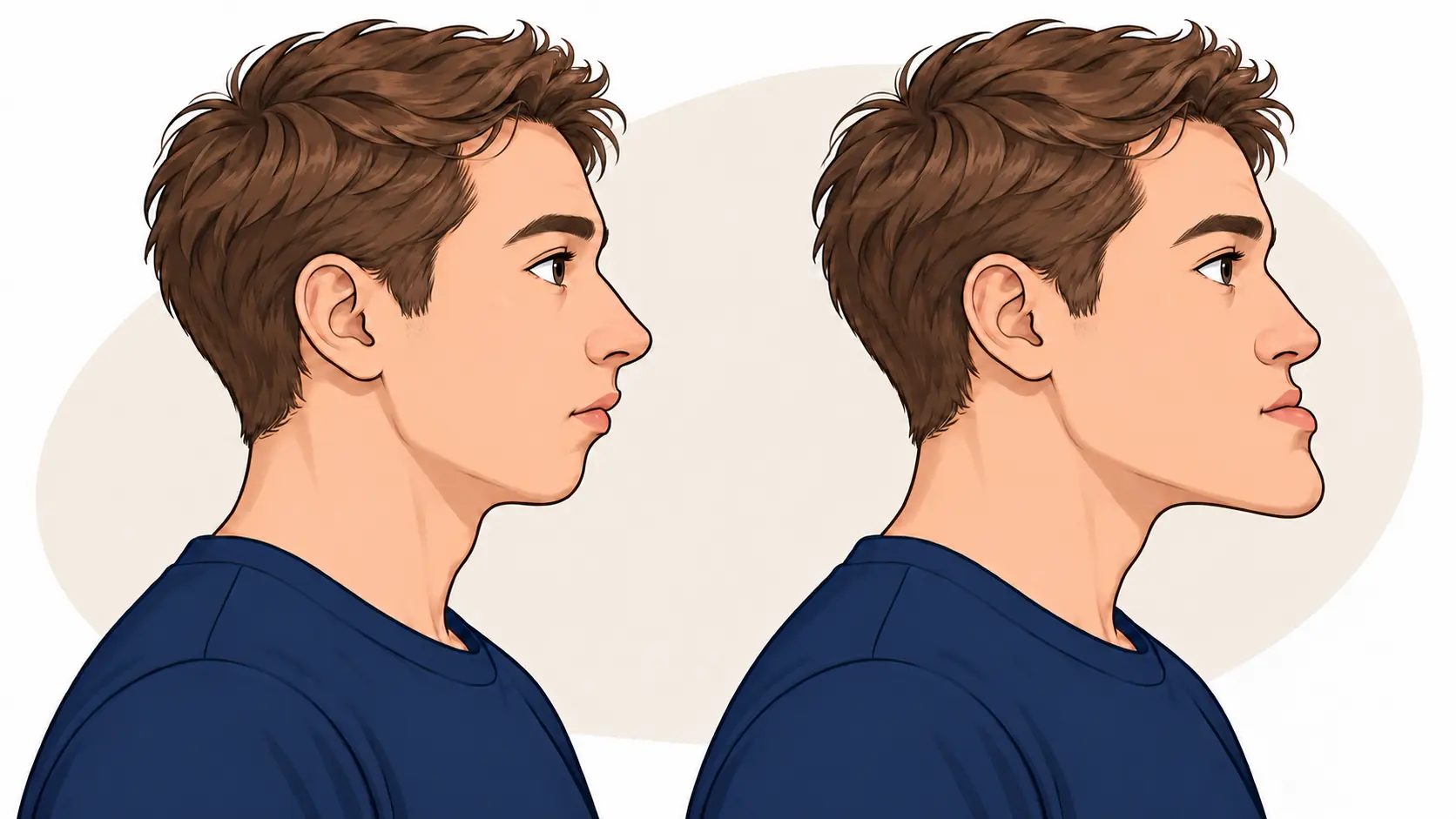
Don’t wait until the last baby tooth has fallen out before arranging a first visit. Particularly when the lower teeth are crowded, we can take account of available space during the transition to permanent teeth. In suitable cases, this preserves more options for treatment without tooth removal. An early assessment is also advisable when the upper front teeth protrude markedly (an increased overjet) or the lower jaw sits too far back – ideally around age ten rather than waiting until sixteen. Depending on the individual findings, we can then make use of remaining growth, which often gives us more and simpler treatment options.
Adults
The change that’s right for you.
Would you like straighter teeth or a better bite? We do this by adjusting the position of the teeth. In suitable cases, this can also improve the bite. Treatment focuses on tooth position; it cannot fundamentally change the underlying position of the jaw bones.
Aligners or fixed braces?
Depending on your clinical findings, clear aligners – Invisalign in our practice – or fixed braces may be suitable. Together, we’ll discuss your options, everyday life during treatment and the limits of each approach.
ADULTS · Surgical cases
When straightening teeth alone is not enough.
For pronounced jaw discrepancies, a combination of orthodontics and jaw surgery may be appropriate. In our treatment approach, these cases are managed orthodontically with fixed braces.
For these treatments, we work with Marienhospital Stuttgart. Surgical planning and treatment are coordinated with the hospital’s oral and maxillofacial surgery department. We explain each step and plan your care together.
Adults · Jaw joint symptoms
Understand first. Then decide.
Symptoms affecting the jaw joints and chewing muscles can have different causes. Misaligned teeth are not automatically the cause of a temporomandibular disorder (TMD).
When the bite may play a role
We first assess the clinical findings and possible connections. In suitable cases, a custom-made splint can help test a different jaw position reversibly. Jaw joint symptoms often involve several contributing factors. Our orthodontic contribution is limited to correcting existing occlusal disturbances, meaning problems with how the teeth meet.
When further assessment is appropriate
If the findings call for further investigation, such as an MRI when clinically indicated, we refer you to a specialist clinic. Further orthodontic correction is considered only after careful diagnosis and an individual discussion of the treatment.
What makes sense for you?
That’s exactly what we’ll explore at your first visit.